

How To Get Into Oxbridge: Complete Oxford & Cambridge Admissions Guide
Welcome to the path of academic excellence and ambition that could lead you to the prestigious University of Oxford or the University of Cambridge—Oxbridge. Achieving admission to these hallowed institutions requires more than just good grades; it demands a genuine passion for your chosen subject, exceptional dedication, and meticulous preparation. In this comprehensive guide, we'll navigate the intricate journey to Oxbridge together, offering invaluable insights and tips, from understanding the admissions process to crafting compelling personal statements, acing subject-specific tests, and excelling in interviews. Let's embark on this enlightening quest to turn your Oxbridge aspirations into reality, one insightful tip at a time…
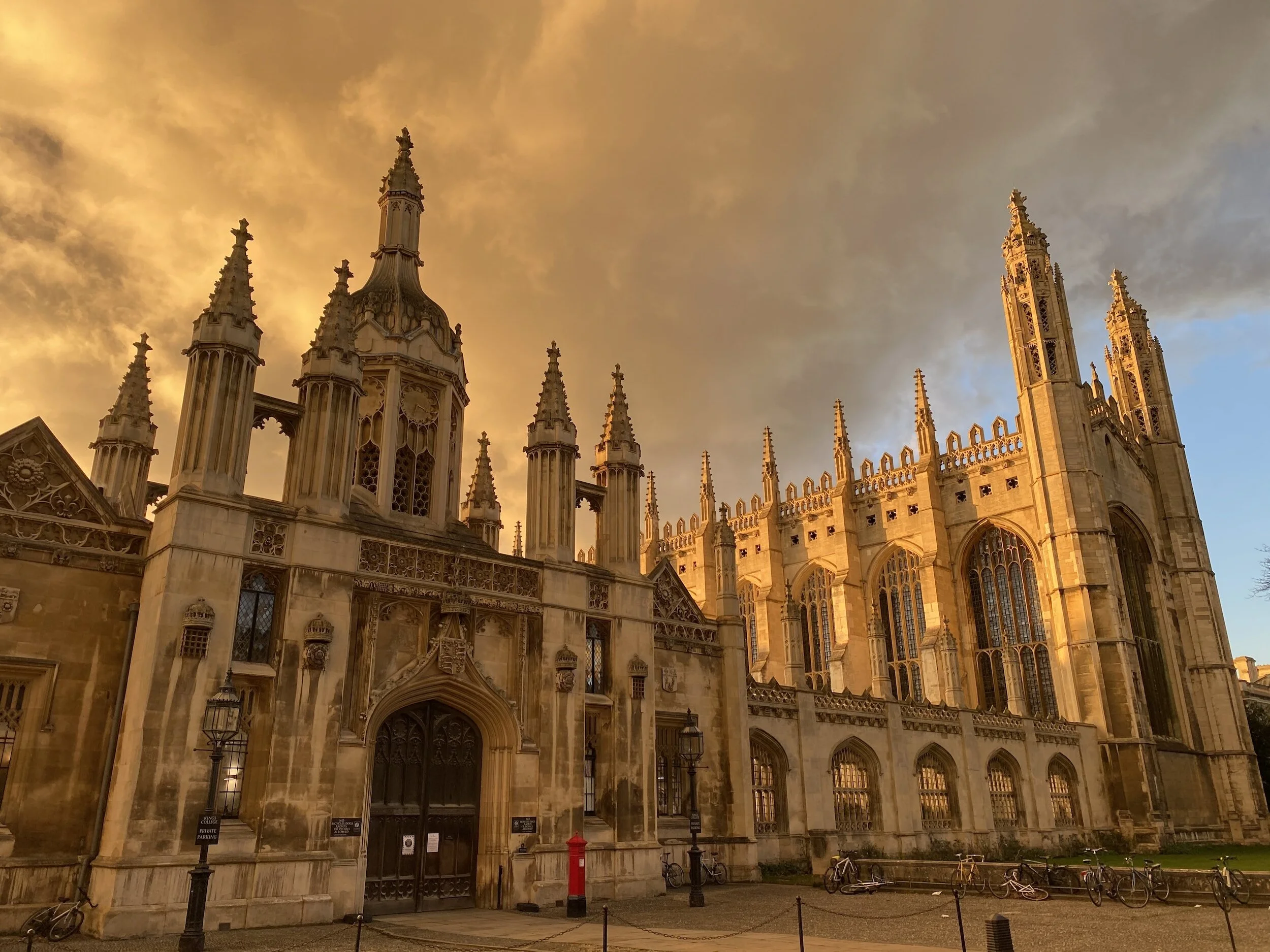
What do Oxford and Cambridge look for in applicants?
There is no single formula for a successful Oxbridge application.
Oxford and Cambridge consider different elements of an application depending on the course, which may include:
Academic achievement and predicted grades
Subject choices and academic preparation
The UCAS application and personal statement
Admissions tests or assessments
Submitted written work or portfolios
Academic references
Interviews
Evidence of intellectual curiosity and engagement with your subject
Above all, applicants should be able to demonstrate academic potential and a genuine interest in studying their chosen subject at a very high level.
This is why effective Oxbridge preparation should focus less on accumulating extracurricular activities and more on developing academically: reading beyond the curriculum, exploring challenging ideas, solving unfamiliar problems and learning to articulate your thinking.
How hard is it to get into Oxbridge?
Oxbridge, the collective term for the University of Oxford and the University of Cambridge, attracts exceptionally strong applicants from the UK and around rhe world, making admission highly competitive.
Firstly, both universities uphold a centuries-old tradition of academic excellence, attracting some of the brightest minds globally. This inherently elevates the level of competition, as applicants contend not only with their peers but with a rich legacy of academic achievement.
Secondly, the admission process at Oxbridge is exceptionally rigorous. It involves stringent academic requirements, including top-notch grades and subject-specific admissions tests, which serve as formidable entry barriers.
Additionally, the interview stage, where candidates are evaluated for their critical thinking and subject knowledge, adds another layer of complexity. Moreover, the limited number of available places amplifies the competition, making it even more challenging to secure a spot. The culmination of these factors makes Oxbridge an academic summit that is notoriously difficult to ascend but, for those who succeed, profoundly rewarding.
However, applicants should avoid thinking about Oxbridge admissions simply in terms of having a “perfect” profile.
Admissions tutors are trying to identify students with the academic ability and potential to thrive within Oxford’s tutorial or Cambridge supervision system.
Depending on the subject, this may be assessed through admissions tests, written work and interviews alongside academic results and the UCAS application.
A successful applicant therefore needs to prepare strategically for the requirements of their specific course, rather than following a generic university application formula.
How to get into Oxbridge: 7 Key Steps
Step 1: Start Early
Your journey towards gaining admission to Oxbridge should commence long before you even consider submitting an application. It begins with laying a solid foundation during your early years of secondary school. Here's how to do it:
Cultivate a Passion for Your Chosen Subject: One of the first and most crucial steps is to cultivate a genuine passion for the subject you intend to study at Oxbridge. These universities seek students who are not only academically talented but also deeply passionate about their chosen field. Reading voraciously, exploring related topics, and engaging in discussions are excellent ways to deepen your understanding and kindle your intellectual curiosity.
Pursue Relevant Extracurricular Activities: Demonstrate your commitment to your chosen subject by engaging in extracurricular activities related to it. Join clubs, societies, or competitions that align with your academic interests. For instance, if you aspire to study literature, consider participating in literary clubs or writing competitions. This not only enriches your knowledge but also showcases your dedication to the subject.
Seek Guidance and Mentorship: Don't hesitate to seek guidance from teachers, counsellors, or tutors who can provide valuable insights into the application process and help you navigate the academic requirements. Their experience and advice can be invaluable in shaping your academic path and preparing for the competitive Oxbridge environment.
Maintain Strong Academic Performance: Oxbridge sets exceptionally high academic standards. To be a competitive candidate, you should consistently excel in your school examinations. Aim for top grades, as this will be a critical factor in your application. Develop effective study habits and consider additional academic challenges to further demonstrate your capabilities.
Step 2: Academic Excellence
To embark on your journey to Oxbridge successfully, it's imperative to establish a solid foundation of academic excellence. This is not merely about meeting minimum requirements; it's about consistently pushing yourself to achieve the highest standards of academic performance.
Maintain a Strong Academic Record:
From your very first year of secondary school, focus on maintaining an impressive academic track record. Oxbridge is known for its rigorous academic standards, so it's vital to strive for excellence in all your subjects. Attend classes regularly, engage with the curriculum, and actively participate in discussions. Aim for top grades in your school examinations, with a particular target of securing A* grades at A-levels or their equivalent qualifications in your country. Find out more about how U2 can help mentor academic excellence.
Students can work one-to-one with our specialist tutors to strengthen subject knowledge, address weaker areas and explore more challenging material beyond the school curriculum.
Subject Relevance and Diversity:
While aiming for top grades, also ensure that your chosen subjects align with the entry requirements for your desired Oxbridge course. Make sure your subject choices showcase both your academic strengths and your passion for the field. It's crucial to strike a balance between achieving top grades and selecting subjects that genuinely interest you.
Seek Additional Challenges:
To truly stand out, consider seeking additional academic challenges beyond the standard curriculum. This might involve pursuing advanced coursework, taking part in competitions or research projects, or exploring subjects independently. These experiences not only enhance your knowledge but also demonstrate your intellectual curiosity and determination. Our co-curricular platform, Minds Underground, has a ton of beyond the syllabus resources that you might find helpful for your Oxbridge application.

Step 3: Choose the Oxford or Cambridge Course
Selecting the right course at Oxford or Cambridge is a pivotal decision that will profoundly influence your academic journey. To make an informed choice, you must consider your interests, strengths, and long-term goals while delving into the specifics of the course you're passionate about.
Courses with similar names can differ significantly between the two universities. Compare:
Course structure
Compulsory and optional modules
Teaching methods
Assessment
Subject requirements
Admissions tests
Written work requirements
College-specific requirements where relevant
Your first task is to identify your true academic interests and strengths. Reflect on the subjects that genuinely captivate you, the areas where you excel, and the topics that spark your intellectual curiosity. The course you choose should align harmoniously with these intrinsic motivations.
Once you have a sense of your interests, begin researching the course content of your preferred subject at Oxbridge. Dive deep into the syllabus to understand the topics covered, the modules offered, and the overall structure of the programme. Ensure that the subject matter resonates with your passion and aligns with your academic goals.
Each course at Oxbridge may have specific admissions requirements beyond academic qualifications. Investigate whether your chosen course has any prerequisite subjects, interviews, or additional assessments. Ensure you meet these requirements or are willing to put in the necessary effort to do so. Seek guidance from academic advisors, teachers, or mentors who can provide valuable insights into your chosen course. Their experience and knowledge can help you gain a more nuanced understanding of what to expect academically.
Consider how your chosen course aligns with your long-term career goals. Think about the skills, knowledge, and opportunities it will provide and how they fit into your future aspirations. Some courses may have clear career pathways, while others offer a broader foundation for diverse opportunities.
Lastly, assess your personal motivation for studying the chosen course. Do you have a genuine passion for the subject that extends beyond academic pursuits? Oxbridge values candidates who exhibit unwavering dedication and enthusiasm for their chosen field of study, so your personal motivation is a crucial factor.
Step 4: Prepare an Exceptional Personal Statement
Crafting a compelling personal statement is a crucial step in your journey to Oxbridge. This document serves as your opportunity to shine a spotlight on your passion for your chosen subject and demonstrate why you are an ideal candidate for admission.
Begin by showcasing your genuine passion for your chosen subject.
Express why this field of study captivates you and how it has become an integral part of your academic journey.
Offer insights into what drives your curiosity and motivates you to excel in this area.
Bring your personal statement to life by highlighting relevant experiences that demonstrate your commitment to your subject. This could include academic achievements, research projects, or coursework that showcases your skills and dedication.
Mention extracurricular activities, internships, or volunteering roles that have furthered your understanding of the subject.
Discuss the books, articles, or academic papers that have had a profound impact on your intellectual development.
Explain how these readings have shaped your perspective, influenced your academic interests, and inspired your desire to study at Oxbridge.
Why Oxbridge?
Articulate why you believe Oxbridge is the ideal place for you to further your education. Discuss specific aspects of the university, such as renowned faculty members, research opportunities, or unique academic programmes, that align with your academic goals and interests. Explain how being part of the Oxbridge community will enhance your educational experience.
After drafting your personal statement, seek feedback from teachers, mentors, or peers. They can provide valuable insights and suggestions for improvement, ensuring that your statement is clear, concise, and impactful.
Crafting an outstanding personal statement is an opportunity to set yourself apart as a passionate and well-suited candidate for Oxbridge. Take the time to create a compelling narrative that showcases your dedication and enthusiasm for your chosen subject, and demonstrates why you belong in the academic community at these prestigious institutions.
See our dedicated Personal Statement page for more information.
U2’s Oxbridge Personal Statement Support
U2 Tuition's Oxbridge application mentors can work with students individually to develop their personal statement and wider application.
Support can include:
Identifying the strongest academic material to discuss
Developing ideas and arguments
Improving structure and clarity
Strengthening subject-specific academic content
Providing detailed feedback on drafts
Helping students communicate their academic interests authentically
Our role is not to write a student's application for them. Instead, our tutors help students develop and communicate their own ideas, experiences and academic interests as effectively as possible.
Find out more about Oxbridge Application Support

Step 5: Excel in Admissions Tests
Many Oxford and Cambridge courses require applicants to sit an admissions test or assessment.
The exact test depends on the university, course and admissions cycle, so applicants should always check the current requirements on the official Oxford or Cambridge website.
Excelling in these assessments is vital to demonstrate your aptitude and suitability for your chosen course. Here's how to approach this critical step.
Recognise the significance of subject-specific admissions tests in your Oxbridge application. These tests are designed to evaluate your subject knowledge, critical thinking skills, and problem-solving abilities. A strong performance can significantly enhance your application.
Become familiar with its structure. Each course may have its own set of tests, and it's essential to be aware of the specific requirements. Visit the official Oxbridge websites or consult with academic advisors to confirm the necessary tests.
Develop the underlying academic skills. Review past test papers, sample questions, and any available preparation materials. Understanding the types of questions and the time constraints will help you prepare more effectively.
Work through official practice questions. Dedicate ample time to practice questions and solve problems related to your subject. Consider using official practice materials provided by Oxbridge, as they closely mirror the actual test format.
Explore additional resources, such as textbooks, online courses, or tutoring, to supplement your preparation.
By diligently preparing for subject-specific admissions tests, you not only increase your chances of success but also demonstrate your dedication and readiness for the rigorous academic environment at Oxbridge. These tests are an integral part of your application, and a strong performance can significantly enhance your candidacy.
Oxbridge Admissions Test Tutoring
1-1
U2 Tuition offers one-to-one admissions test prepraation with tutors selected according to the student’s subject and target course. Our specialist tutors can help students identify weakneses and practise challenging questions under realistic condititions.
Group Admissions Test Courses
We also run group admissions test courses to help students work through papers and gain insight into their development alongside their peers.
Step 6: Ace the Interview
Once you pass the initial stages of the Oxbridge application process, the next critical hurdle is the interview. This is where you have the opportunity to showcase your subject knowledge, critical thinking, and enthusiasm for your chosen field of study.
Students may be asked to:
Analyse unfamiliar material
Solve a problem aloud
Defend or reconsider an argument
Apply existing knowledge to a new situation
Discuss academic ideas from their application
Respond to hints or follow-up questions
Explain their reasoning step by step
Here's how to prepare effectively:
An Oxbridge interview is fundamentally an academic conversation. Rather than expecting candidates to produce polished, memorised answers, tutors want to see how they approach unfamiliar material and respond when challenged.
Expect to encounter subject-related questions during your interview. Be prepared to discuss topics within your chosen subject area, demonstrate your understanding, and provide well-reasoned responses. Review your coursework, relevant literature, and any additional reading you've done to strengthen your subject knowledge.
Interviews often include questions that require critical thinking and problem-solving. Practice answering such questions to develop your ability to think on your feet and articulate your thought process clearly.
Communicate your enthusiasm through your responses. One of the key objectives of the interview is to gauge your passion for the subject. Share your genuine interest, and be prepared to explain why you're so passionate about your chosen field.
Be aware that interviews at Oxbridge can take various formats, including one-on-one interviews, panel interviews, or multiple mini-interviews (MMIs). Research the format used for your course and practice accordingly.
U2 Tuition Oxbridge Mock Interviews
Mock interviews simulate the actual interview experience and help you refine your responses, build confidence, and receive valuable feedback.
U2 provides subject-specific Oxbridge interview preparation and mock interviews with Oxbridge graduates.
Students receive targeted feedback on areas such as:
Academic reasoning
Subject knowledge
Communication
Problem-solving
Responsiveness to prompts
Depth of analysis
Confidence when approaching unfamiliar material

Unsure of what to expect in your Oxbridge English interview?
Interviews can feel daunting and difficult to prepare for, especially when the format is unpredictable. However, they are incredibly important—some candidates succeed based solely on their interview performance.
This essential guide, created by U2's English tutors—all graduates of Oxford or Cambridge—helps you prepare effectively, ensuring you stand out and maximise your chances of success. It also offers valuable tips on how to present yourself and communicate confidently during the interview.
Core components of U2 Tuition's English guide:
- The first section of our 33-page guide focuses on building evidence of broader subject exploration to demonstrate your passion and motivation for English. Our graduates guide you through recommended readings (primary and secondary sources) and teach you how to reference key texts or online resources, such as podcasts, to justify your reasoning during the interview. We provide reading suggestions across all literary eras, with each recommendation accompanied by a thinking task—an interview question that directly relates to the text's content. Ideally, this process should begin several months before your interview to give you ample time to explore the necessary material.
- How to prepare for personal statement-based interview questions.
- What to expect in your academic interviews, featuring insights from numerous successful English candidates. These firsthand accounts detail the interview process, specific questions asked, and tips for handling different interview formats, such as theoretical questions, unseen poetry analysis, and questions related to your personal statement or the language component.
- Four in-depth worked interview questions, complete with clues for answering and further reading recommendations.
- Over 50 additional past interview questions, including six with clues, 20 wider theoretical questions, and 10 questions each on plays, poetry, and prose.
- Final tips for interview success.
Looking for additional mentoring for your Oxbridge or Russell Group English application?
Working with an Oxbridge English tutor is a great opportunity. U2 offers a network of Oxford and Cambridge-educated undergraduates, graduates, and postgraduates, ready to provide tutorials on key literary eras, personal statement writing, admissions tests, and interview preparation. To learn more and discuss your English application, book a free consultation via our Contact Us page.
We also offer mock interview days in November/December. Learn more here, or find out more about the Oxbridge tutoring and admissions support we offer here.

Don’t know what to expect for your Cambridge Economics Interviews?
Interviews can seem daunting and complicated to prepare for, as you never quite know what to expect. However, they are extremely important, with many selections made almost entirely based on interview performance alone. Luckily, there are several things you can do during the interview and in preparation that can really help you stand out.
Conveying your passion and motivation is essential to a successful interview performance - interviewers want to work with people they can trust to get on with the work without needing to be pushed. Those with a genuine interest and passion are more likely to do this.
This is why the first section of our 25-page guide is dedicated to showing you how to build evidence of wider subject exploration to convey your passion for the course - our Economics graduates lead you through how to know what to read (primary and secondary material), and how to cite key texts to justify your reasoning in answer to interview questions. Each book recommendation comes with a thinking task - an interview question that responds directly to the text’s content.
Core Components of U2 Tuition’s Cambridge Economics Interview Preparation Guide
The pack also includes pointers for answering questions based on your personal statement, as well as countless accounts from successful Economics candidates. Gain insight into the interview process, and invaluable preparation tips for tackling the different formats of interview, including personal statement / general interviews, open questions and maths-related questions.
Each successful applicant provides a run-through of their interview experience, the questions asked, and tips for tackling the question format. We provide longer, worked-through interview questions, along with 50 additional questions on macroeconomics, the political/social aspects of economics, and microeconomics.
Looking for Economics Oxbridge mentoring to further your independent preparation?
Having an Economics mentor can present an invaluable learning opportunity - U2 has an excellent network of Economics undergraduates, graduates and postgraduates, who would be delighted to host tutorial sessions, giving you exposure to key topic areas within the discipline, and to support personal statement writing, admissions test and interview preparation. We also offer mock interview days in November/December. Learn more here.
Find out more about the Oxbridge tutoring and admissions support we offer here. Also, be sure to check out our university preparation Summer Schools on our co-curricular division website, Minds Underground.
Book a free consultation for further details on our offerings and to discuss your Economics application
Step 7: Prepare for Your Specific Subject
There is no universal Oxbridge application strategy.
A Mathematics applicant preparing for the TMUA requires very different preparation from a History applicant submitting written work or a Law applicant preparing for the LNAT.
Students should therefore build their preparation around the requirements of their individual course.
U2 Tuition can match applicants with an Oxbridge tutor specialising in their subject, allowing preparation to focus on the areas that matter most for that particular application.
Support is available across a wide range of competitive subjects, including:
Medicine
Law
Economics
PPE
History
English
Mathematics
Engineering
Natural Sciences
Computer Science
Geography
Classics
Modern Languages
Philosophy
Human, Social and Political Sciences
Psychological and Behavioural Sciences
Related Blogs and Resources
The Ins and Outs of Oxbridge Interviews: Our Ultimate Guide to Acing Those Interviews
Decision time: How to Ace University Course Choice for Application
Early Preparation for Oxbridge Entrance: How to Stand a Chance of Success
The Ins and Outs of Oxbridge Interviews: Our Ultimate Guide to Acing Those Interviews
When should you start preparing for Oxbridge?
Ideally, students should begin developing their academic interests well before the application deadline.
Year 11 and Early Year 12
Focus on academic foundations and exploring potential degree subjects through reading, lectures, competitions and independent study.
Year 12
Research Oxford and Cambridge courses carefully, develop your supercurricular interests and begin building deeper subject knowledge.
Summer Before Year 13
This is an important period for focused application preparation. Students can work on their UCAS application, consolidate wider reading and begin structured preparation for relevant admissions tests. By the end of summer, applicants should finalise their UCAS application while intensifying admissions test preparation where required.
Before Interviews
If shortlisted, preparation should shift towards academic discussion, unfamiliar problems and subject-specific mock interviews.
Starting early allows students to develop genuine academic depth, rather than attempting to manufacture an Oxbridge application immediately before the deadline.
Can an Oxbridge Tutor Help You Get Into Oxford or Cambridge?
A tutor cannot guarantee an offer from Oxford or Cambridge, nor should any tutoring company claim that they can.
What excellent Oxbridge tutoring can provide is expert, personalised preparation.
A specialist tutor can help an applicant:
Identify gaps in their subject knowledge
Explore material beyond the curriculum
Prepare for admissions tests
Develop their UCAS application
Practise academic discussion
Prepare for interviews
Receive objective feedback
Understand where their application can be strengthened
For students without extensive Oxbridge application support through their school, having access to someone familiar with the academic expectations of Oxford and Cambridge can also make the process significantly easier to navigate.
Why Choose U2 Tuition for Oxbridge Admissions Support?
How We Can Help You Get Into Oxbridge
At U2 Tuition, we take pride in our exceptional team of Oxbridge tutors and mentors who specialise in various subjects across Oxbridge. Our dedicated tutors work closely with each aspiring student, carefully identifying their strengths and areas for improvement. With our experienced tutors, students receive personalised tutoring sessions tailored to their specific needs. From assisting with admissions tests and interview preparation to crafting compelling personal statements, our comprehensive support equips students with the skills and knowledge needed to excel in their pursuit of a degree at Oxbridge.
The Process:
Experienced Subject Tutors: We meticulously select Oxbridge graduates with expertise in their respective subjects at Oxbridge. Their profound familiarity with the Oxbridge admissions process allows them to guide you through every step, from personal statement development to interview preparation. Depending on qualifications and experience, we offer a variety of application tutors for you to choose from, ensuring a tailored approach to your chosen field of study.
Informal Diagnostic Session: We recommend starting with a 1.5-hour informal diagnostic session to assess your current performance level for the application. Following this session, we provide a detailed feedback report and structure a customised preparation plan tailored to your needs, helping you navigate the complexities of the application process effectively.
Focused Tutorial Sessions: The focus of tutorial sessions is tailored to the specific requirements of each student. Whether you wish to address all aspects of the application or focus on particular components, our primary subject mentors are well-equipped to provide comprehensive guidance. This may include exploring 'beyond the syllabus' material that can be incorporated into your personal statement and discussed during interviews. Our tutors assist students in refining their interests within their chosen course, introducing them to various approaches and new concepts, and guiding their reading and subject exploration. We provide specialised support for admissions tests and interview preparation, covering all interview formats and hosting mock interviews to boost your confidence.
Flexible Session Options: You can choose the frequency of sessions with your tutor, with options for both ad-hoc sessions and structured full preparation programmes. Additionally, we provide co-curricular opportunities such as subject-specific Summer Schools, research projects, and mock interview days to further enhance your application and interview readiness.
Pricing: Our one-to-one sessions are priced competitively, starting from £75/h + VAT, making high-quality academic support accessible to all aspiring Oxbridge students, regardless of their chosen field of study.
With our comprehensive and tailored approach, we are committed to helping you achieve your academic goals and realise your dream of studying at Oxbridge.