Early 11+ Preparation: How To Build Confidence, Reasoning Skills and Exam Readiness
Why Does Early 11+ Preparation Matter?
The 11+ exams can be highly competitive, particularly for leading grammar and indpendent schools across London and the South East, where places are limited and demand continues to grow.
For many families, knowing when and how to begin 11+ preparation can feel overwhelming.
While there is no single “perfect” age to start preparing for the 11+, we recommend introducing early preparation between the ages of 7 and 9.
Starting early gives children valuable time to build strong foundations in Maths, English, Verbal Reasoning and Non-Verbal Reasoning before exam pressure increases.
Early 11+ Preparation should focus on developing core skills gradually, rather than intensive tutoring or constant exam practice.
U2’s structured and supportive approach helps children build confidence, resilience, independent learning habits and strong academic foundations that benefit them well beyond the 11+ exams.
Key Skills to Focus on in Early 11+ Preparation
It can be difficult to know what to prioritise when beginning 11+ preparation.
Here at U2, we recommend:
A short, consistent routine
Around 15–20 minutes of focused practice per day) is far more effective than long, infrequent sessions.
A daily reading routine
20 minutes of reading and discussion to strengthen comprehension and critical thinking skills.
Making sure your child is up to speed with the National Curriculum
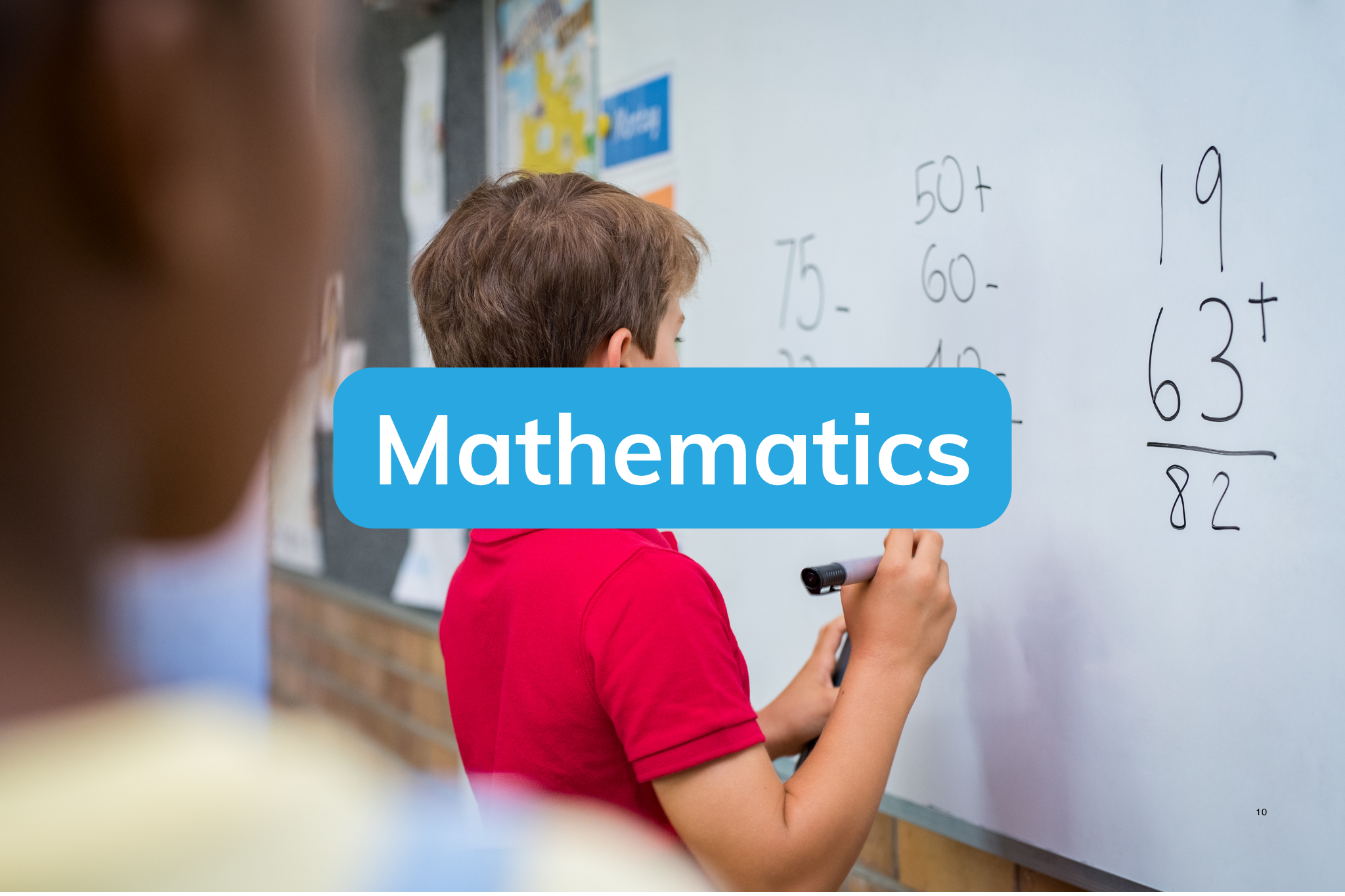
Mathematics
Mathematics forms a significant part of the 11+ exam and early preparation helps children build confidence, accuracy and problem-solving skills.
Remember - Fun is key!
Board games, card games or short timed challenges can turn practice into play - particularly helpful for more reluctant learners.

What to focus on?
Core Numeracy
Ensure your child is comfortable with addition, subtraction, multiplication and division.
Top tip: Everyday activities such as measuring ingredients, counting money, or keeping score in games are excellent ways to reinforce these skills.
Problem Solving Skills
Introduce age-appropriate word problems that require reasoning rather than memorisation.
Top Tip: Use real-world situations to help children visualise the problem.
Example: “If this packet has 15 sweets and you share them equally between yourself and two friends, how many sweets do you each get?”
Mental Arithmetic
Mental maths supports exam technique by improving speed and accuracy later on.
Top Tip: Encourage quick calculations using number flashcards, times-table games, dominoes or activities such as maths bingo.
English & Comprehension
Early 11+ English preparation isn’t just about grammar and spelling, it’s about building understanding, vocabulary and expression.

What to focus on?
Creative Writing
Short stories, diary entries and imaginative prompts help children structure sentences and express ideas clearly.
Picture prompts (e.g. a beach, a school, a desert) can be easily found on Google and are particularly effective.
Encourage children to think about their senses - what they can see, hear, smell, touch, and taste - to develop descriptive and interesting language.
Example: “Write about a day when you woke up in a different country.”
Top Tip: Asking children to imagine an alternate ending for a well known fairytale / book can also be a great way to get creativity flowing for more reluctant writers.
Reading
Encourage a mix of fiction and non-fiction texts suitable for your child’s age.
Discuss characters, themes and settings to develop and strengthen comprehension skills.
As confidence grows, gradually introduce slightly more challenging books to stretch ability.
Check out our U2 Tuition11+ Recommended Reading Listfor tailored reading lists for Years 3-4 and Years 5-6!
Vocabulary Building
Introduce “word of the day” activities, synonyms, antonyms, crosswords and spelling challenges to expand vocabulary.
Comprehension Practice
Ask questions that require reasoning, not just recall.
For instance, “Why do you think the character acted that way?”, “What would you do if you were in that situation?” or “How do you think the character is feeling?”.
Top Tip:Include games that focus on expanding memory, for example, Memory Train or Simon Says. This will gently improve your child’s ability to retain and recall important information.
Verbal Reasoning
Verbal reasoning is often one of the trickiest parts of the 11+ to master, but early exposure can make it much easier!
What to focus on?
Logical Puzzles and Riddles
Age-appropriate brain teasers build problem-solving skills and familiarise children with word relationships and inference skills.
Some great books include;
Word Patterns and Sequences
Teach your child to spot letter patterns, number sequences, alphabetical order or missing letters in sequences/words.
Top Tip: Scrabble can be a great game for juggling spelling + logic + strategy all at once.
Synonyms and Antonyms
Regular practice helps expand vocabulary and develop reasoning skills.
Example: “Choose the word that means the same as ‘happy.’” or “What is the opposite of flexible?”
Sentence Completion Exercises
Simple exercises like filling in the blank or reordering words can make a big difference in developing early reasoning skills for more reluctant learners
Non-Verbal Reasoning
Non-verbal reasoning is all about thinking visually and logically, which many children find challenging without early practice.
What to focus on:
Pattern Recognition
Use puzzles, block-building or sequencing games to help your child spot patterns and relationships.
Shape and Space Awareness
Introduce tangrams, jigsaw puzzles and shape-sorting activities. This strengthens spatial reasoning and visual logic.
Sequence and Classification Games
Activities that require ordering objects, spotting what doesn’t belong or completing visual sequences are excellent preparation for 11+.
Practical Activities
Encourage drawing, crafting, building with Lego or playing with geometric shapes to develop intuition for angles and symmetry.
For many parents, knowing what to focus on and how to structure practice can be a challenge. That’s where U2 Tuition can help. Our experienced tutors work with your child to create a tailored, manageable daily plan, combining Maths, English, Verbal and Non-Verbal Reasoning exercises. This ensures your child is not only practising consistently but doing so effectively, building confidence and exam-ready skills from the very beginning.

U2'S Recommended Resources for Early 11+ Preparation
Books, Workbooks and Past Papers
Choosing the right books and workbooks can make a significant difference in early 11+ preparation. High-quality resources help children become familiar with question styles while gradually building confidence and exam technique.
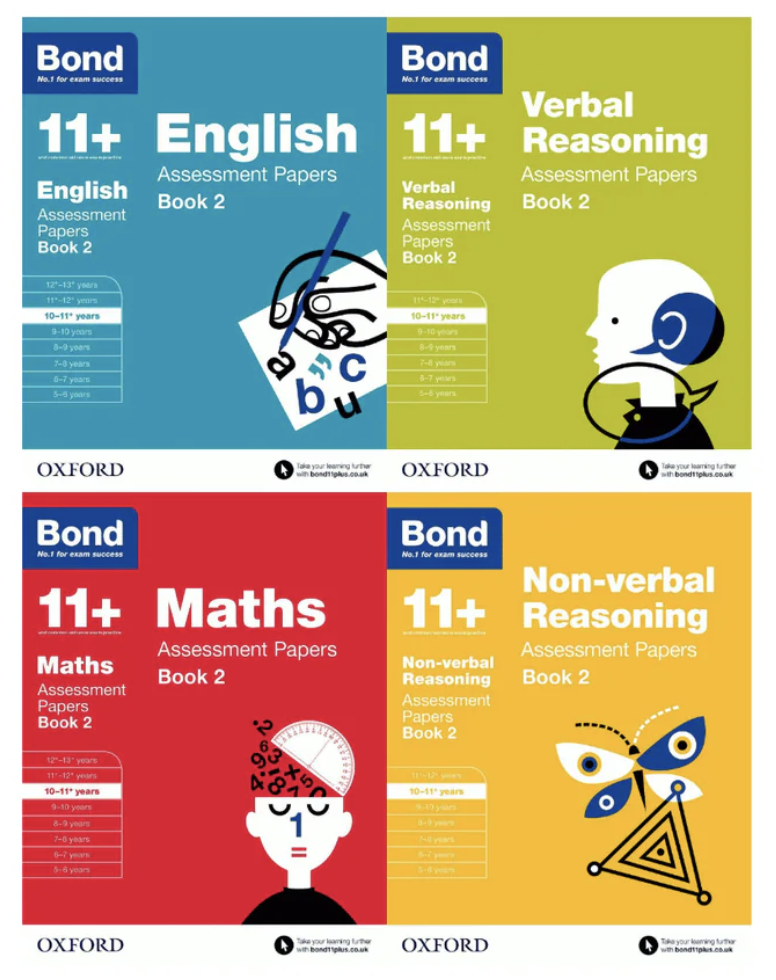
We recommend the following publishers, who provide an excellent range of 11+ workbooks, practice papers and skill-building activities across Maths, English, Verbal Reasoning, and Non-verbal Reasoning.
CGP
Schofield & Sims
Bond
GL / CEM
Top Tip: For Early 11+ Preparation, these resources are best used little and often, reinforcing key concepts without overwhelming young learners.
Remember, 11+ exams vary by region and school. Many grammar schools and local authorities publish school-specific guidance or past papers on their websites. Reviewing these can give valuable insight into the format, difficulty level and focus areas your child may encounter.
Our tutors at U2 Tuition carefully select and adapt resources from trusted publishers, alongside school-specific materials, to ensure each child is practising the most relevant content. This tailored approach helps children feel confident and prepared as they progress through their 11+ journey.
Online Platforms & Apps
Online platforms and educational apps can be a useful supplement to early 11+ preparation when used purposefully and in moderation.
For younger learners, digital resources work best as part of a balanced study routine, supporting Maths, English, and Reasoning skills while keeping learning engaging and interactive.
However, these tools are most effective when used alongside structured teaching and expert guidance, rather than as standalone preparation.
Some well-known platforms parents may find helpful include:
BBC Bitesize
A trusted resource for revisiting school curriculum topics in Maths and English. The website includes games, quizzes, activities and interactive worksheets for each year group, helping to consolidate learning alongside classroom teaching.Khan Academy
A fantastic free resource, particularly useful for strengthening maths foundations and problem-solving skills. Its step-by-step approach supports understanding rather than rote learning.
Atom Learning
Atom Learning requires a paid subscription; however, many schools now provide access. Parents may wish to check whether their child’s school offers this, or otherwise consider independent access. Its puzzles and games can provide a gentle introduction to reasoning skills when used selectively and alongside 1:1 tuition.
Reasoning and Vocabulary Apps
Vocabulary and reasoning apps such as Word Connect, Khan Academy Kids, Word Cookies, Monster Math, DoodleEnglish, Sir Linkalot Spelling, Wordscapes, and Wordle can familiarise children with patterns, sequences and word relationships in a low-pressure way. These tools work best when paired with structured teaching rather than used independently.
These apps are best used for short, focused practice sessions to support vocabulary development and logical thinking, rather than as a replacement for structured learning.
If you’d like guidance on choosing the right resources or structuring your child’s early 11+ preparation, U2 Tuition’s experienced tutors are here to help. Our tutors carefully select and adapt resources from trusted publishers, alongside school-specific materials, to ensure each child is practising the most relevant content. This tailored approach helps children feel confident and prepared as they progress through their 11+ journey.
How U2 Tuition Can Support Early Preparation

At U2 Tuition, we provide personalised tutoring plans for children starting 11+ prep early. Our experienced tutors:
Assess your child’s current level and create a tailored learning plan
Offer fun, engaging exercises in Maths, English and Reasoning
Build confidence and independent problem-solving skills
Provide regular progress updates for parents
Starting early for the 11+ exam is about preparation, confidence and skills, not pressure.
By combining short, consistent practice, engaging activities and professional tutoring support from U2 Tuition, your child can approach the 11+ with confidence and excitement.
Still Curious?
Check out some of our other blogs on 11+ Preparation!