

Studying Architecture at Cambridge (2026 Guide)
Is Cambridge Good for Architecture?
Yes! The University of Cambridge is widely regarded as one of the best universities in the world for architecture.
The Cambridge Architecture course has an international reputation for combining creative studio work with academic depth, technical expertise and critical thinking.
The undergraduate Architecture course consistently performs strongly in UK university league tables, including The Guardian University Subject Rankings.
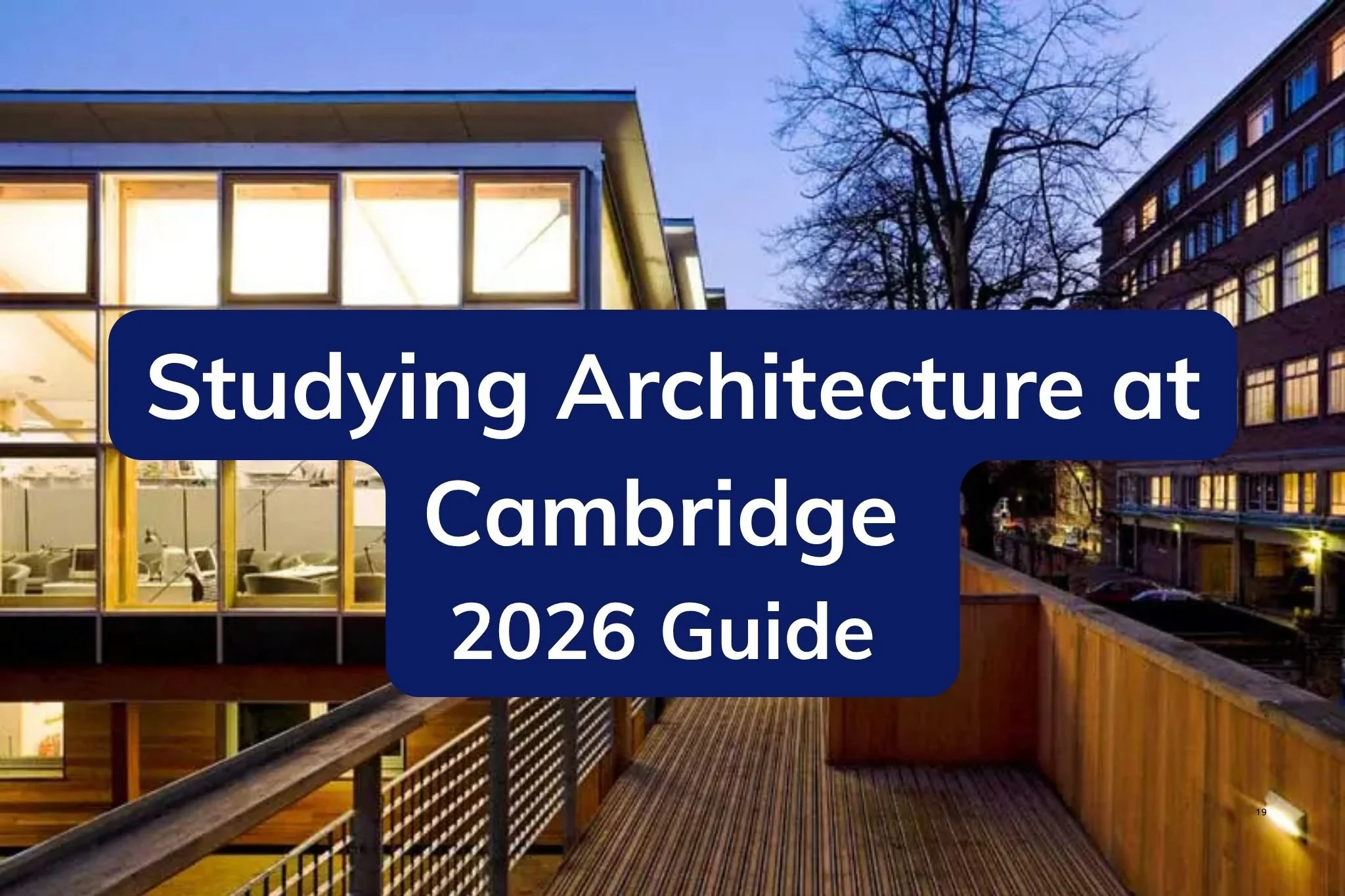
The course is taught in state-of-the-art studios and workshop spaces, creating a highly practical learning environment.
Cambridge also intentionally keeps cohort sizes small, admitting around 45 students per year. This creates a close-knit and supportive atmosphere where students receive extensive individual feedback.
Students also benefit from a highly active architecture society called ArcSoc, which organises:
Guest lectures from leading architects
Design workshops and exhibitions
Social events
Career networking opportunities
Portfolio support events
Cambridge Architecture Course Structure (2026 Entry)
The course has been updated in 2026 and Cambridge now runs two major undergraduate design-related pathways:
1. Architecture Tripos
The Architecture Tripos combines:
Studio-based architectural design
History and philosophy of architecture
Urbanism and contemporary culture
Structural and environmental design
Construction and materials
Sustainable design principles
The course balances creative exploration with technical and analytical thinking, making it ideal for students interested in both art and science.
2. Design Tripos
Cambridge also offers a newer interdisciplinary Design Tripos, that combines:
Architecture
Engineering
Materials science
Design innovation
Students can tailor the course through optional modules across disciplines, making it especially attractive for applicatnts interested in design technology, engineering and innovation.
Not sure which course might be right for you? U2’s Oxbridge specialists can help you decide which pathway best suits your strengths and interests.
Book a free consultation with U2 to discuss your options!

Cambridge Architecture Entry Requirements
One of the most appealing aspects of Cambridge Architecture is that the university accepts students from a wide range of academic backgrounds.
Importantly, Cambridge does not require specific A-Level subjects for Architecture.
However, successful applicants typically demonstrate:
Strong visual and creative ability
Excellent analytical thinking
Intellectual curiosity
Good written communication skills
Interest in design, art and the built environment
Many successful applicants study subjects such as:
Art
Mathematics
Physics
History
English Literature
Design Technology
Although Art A-Level is not compulsory, it is highly beneficial for portfolio preparation and developing observational drawing skills.
Importantly, you do not need an essay-based subject to apply for the Architecture Tripos.
Most Cambridge colleges typically offer: A*AA
However, entry requirements can vary slightly between colleges.
GCSE Requirements
Competitive applicants for Cambridge Architecture usually achieve excellent GCSE grades across a broad range of subjects.
Admissions tutors particularly value:
Strong English grades
Strong Mathematics grades
High achievement in creative subjects
Consistent academic performance
Cambridge Architecture Portfolio Requirements
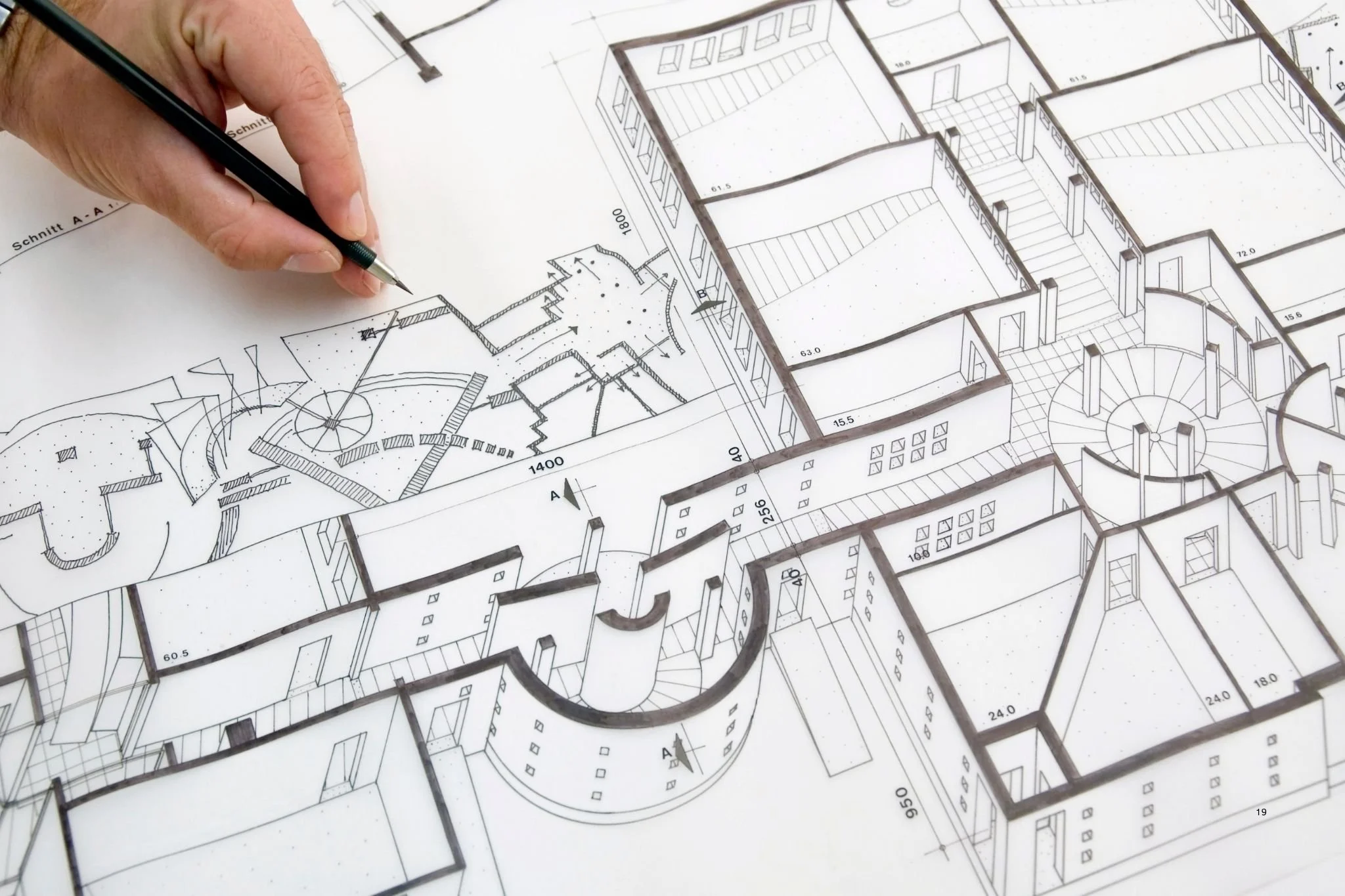
The Cambridge Architecture portfolio is one of the most important parts of the application process.
All applicants are required to submit a digital portfolio before interview.
Pre-Interview Portfolio
Applicants are usually asked to submit:
A PDF portfolio
Maximum 6 A4 pages
Under 15MB
Original artwork only
The portfolio should demonstrate:
Creativity
Observation skills
Design thinking
Experimentation
Visual communication
Importantly, Cambridge is not specifically looking for architecture drawings.
Instead, admissions tutors want to see evidence of visual curiosity and creative exploration through:
Life drawing
Still life studies
Landscapes
Photography
Sculpture and model-making
Posters and graphic layouts
Sketchbook development
3D work
Mixed media experimentation
Students should demonstrate the ability to work confidently across both 2D and 3D formats.
Cambridge Architecture FAQs
Is Cambridge Architecture changing in 2026?
Yes. From October 2026, the University of Cambridge Architecture course is expected to change from a traditional three-year BA (Hons) degree into a new four-year integrated BA (Hons) and MArch programme.
This updated structure is designed to align with the new ARB Academic Outcomes framework and provide students with a more integrated route through architectural education.
This is a major development for students researching Cambridge Architecture 2026, as it changes both the course structure and accreditation pathway.
Is Cambridge Architecture accredited?
Yes — the Cambridge Architecture course is seeking accreditation to meet all required ARB Academic Outcomes.
Under the current structure, the three-year BA (Hons) combined with the additional MArch qualification is designed to satisfy the academic requirements for becoming an architect in the UK at Level 7 standard.
Students searching for “Is Cambridge Architecture accredited?” should note that accreditation relates to the academic component of architectural training.
Can I register as an architect after Cambridge?
Not immediately.
Even after completing the academic stages of the Cambridge Architecture degree, students must still complete the professional practice requirements needed to register as an architect in the UK.
This normally includes:
Professional work experience
Completion of Practice Outcomes
Further professional assessment
For most students, this takes at least two additional years after graduation.
Do students automatically progress into the fourth year?
No — progression into the integrated fourth year is not automatic.
Students must achieve sufficiently high academic performance during the BA component of the course in order to continue into the fourth year.
Cambridge maintains high academic standards throughout the Architecture programme, so consistent performance is important.
How is the Cambridge Architecture course assessed?
Students receive marks throughout each year of the degree.
The final BA degree classification is currently calculated using:
30% from second-year performance
70% from third-year performance
The integrated fourth year also receives its own separate final grade.
Assessment methods across the course include:
Studio projects
Essays
Portfolio work
Presentations
Technical coursework
Written examinations
This combination reflects the interdisciplinary nature of studying architecture at Cambridge.
Is Design Technology useful for Cambridge Architecture?
Design Technology can be helpful, but the Architecture Department generally views Art as stronger preparation for the course.
If you take Design Technology, Cambridge tutors like to see:
Well-presented project sheets
Strong graphical layouts
Creative design development
Experimentation with materials
Evidence of technical thinking
Students should aim to include a wide range of media in their portfolio and demonstrate both creative and practical skills.
It is also important to take high-quality photographs of any 3D objects or physical models you create, as these often form part of the portfolio submission.
Do you need Art A-Level for Cambridge Architecture?
No — Art A-Level is not a formal requirement for Cambridge Architecture.
However, many successful applicants take Art because it helps develop:
Observational drawing skills
Portfolio quality
Visual communication
Creative experimentation
Students without Art A-Level can still be successful if they build a strong portfolio independently.
Got other admissions questions we haven’t answered? Book a free 20-minute Cambridge Architecture consultation to learn more about the course and how our Oxbridge-educated tutors can help your application stand out!
Which Cambridge College is Best for Architecture?
The truth is that there is no single “best” Cambridge college for Architecture. All Architecture students at the University of Cambridge are taught centrally through the Department of Architecture, meaning the core teaching, lectures, studio work, and academic content are shared across the university.
However, your college still matters because it shapes your:
Supervision experience
Accommodation
Student community
Creative atmosphere
Facilities
Social life
How to Prepare a Cambridge Architecture Portfolio
All applicants to University of Cambridge Architecture are required to submit a portfolio as part of the application process. The Cambridge Architecture portfolio is one of the most important aspects of the application and plays a major role in determining whether applicants are invited to interview.
Before interview, students are usually asked to submit a digital portfolio in PDF format consisting of:
Maximum 6 A4 pages
Less than 15MB
Original artwork only
Cambridge is not specifically looking for architecture drawings or professionally polished design work.
The strongest Cambridge Architecture portfolios usually demonstrate:
Creativity and originality
Strong observational drawing skills
Understanding of composition and design
Ability to work in both 2D and 3D
Development of ideas over time
Willingness to experiment with different media
Using a wide range of media is highly recommended. Successful applicants often include work created using:
Pencil
Ink
Charcoal
Paint
Photography
Digital media
Collage
Printmaking
Sketchbooks are especially important because they allow admissions tutors to see how ideas develop. Applicants should aim to include images showing different stages of their work, including experimentation, rough concepts, refinements, and observations.
One of the most common misconceptions is that Cambridge wants to see architecture-focused portfolios. In reality, the department does not particularly want portfolios filled entirely with building sketches or architectural designs. Instead, they are looking for visual curiosity, creative thinking, and strong artistic potential.
For applicants invited to interview, colleges will usually send specific guidance about the at-interview portfolio requirements. Guidance varies slightly from college to college, but students are normally expected to present and discuss their work during the interview itself, usually for around 5–10 minutes.
Cambridge Architecture Interview Process
Students attending a physical interview should bring enough work to demonstrate the full range of their creative abilities. Most applicants bring A1 portfolio cases large enough to hold bigger pieces comfortably. Original drawings are generally preferred wherever possible. Sculpture, installations, or other 3D work should usually be shown through high-quality photographs. Large canvas pieces or work too bulky to transport can also be presented digitally through photographs.
For online interviews, students typically prepare a longer digital presentation than the original pre-interview submission. Most applicants organise this as a PowerPoint or PDF slideshow showcasing the full range of their work across different media. Students should:
Keep the file size manageable
Use clear layouts
Include multiple images per slide where appropriate
Practise presenting beforehand
Keep the presentation under 10 minutes
At U2, our Oxbridge Mock Interview Days in November, help students prepare for the Cambridge Architecture interview process with realistic practice sessions and expert feedback.
Admissions tutors are often just as interested in the creative process as the final outcome. During the interview, applicants may be asked questions about:
How they developed an idea?
Why they chose certain materials?
What inspired a project?
How they approached composition and design?
Students applying to Cambridge Architecture are strongly encouraged to consult their school art teacher when preparing their portfolio. Feedback on presentation, selection of work, and sketchbook development can be extremely valuable.
Looking for one-to-one interview or application support? Get in touch!
How U2 Can Help with Your Cambridge Architecture Application
Whether you’re in the early stages of considering Architecture at Cambridge or finalising your UCAS application, U2 can build a bespoke plan around your goals, timeline and learning style.
Our Oxbridge-educated tutors can help you with:
Cambridge Architecture personal statements
Portfolio preparation
Mock interviews
Admissions test preparation
College selection strategy
Application timelines
Let them use their expertise to help you make a successful application. Contact us here!
U2 Architecture Summer School
Our 2026 Architecture Summer School is a great way to delve into the creative world of Architecture and learn from Oxbridge-educated tutors. Enrolling in the Architecture Summer School provides you with exposure to first year university level material.
During the Summer School you can:
Hone essential critical analysis skills
Master high level concepts and ideas
Engage in insightful discourse with Oxbridge tutors
Architecture Summer Course Topics include:
Introduction to Urban Studies
Heritage and the Built Environment
Introduction to Landscape Architecture
Exploring Environmental Design
A History of Architecture Through Five Buildings
The Future of Architecture: Answering Topical Questions at Interview
Contact us to learn more about our Minds Underground extracurricular offerings.
Cambridge Architecture is one of the most competitive courses in the UK, so expert support can give your application a real edge. At U2 Tuition, our Oxbridge-educated tutors help students craft outstanding portfolios, excel at interview, and build applications that stand out.
Book a free consultation today and discover how U2 can help maximise your chances of securing a Cambridge Architecture offer!